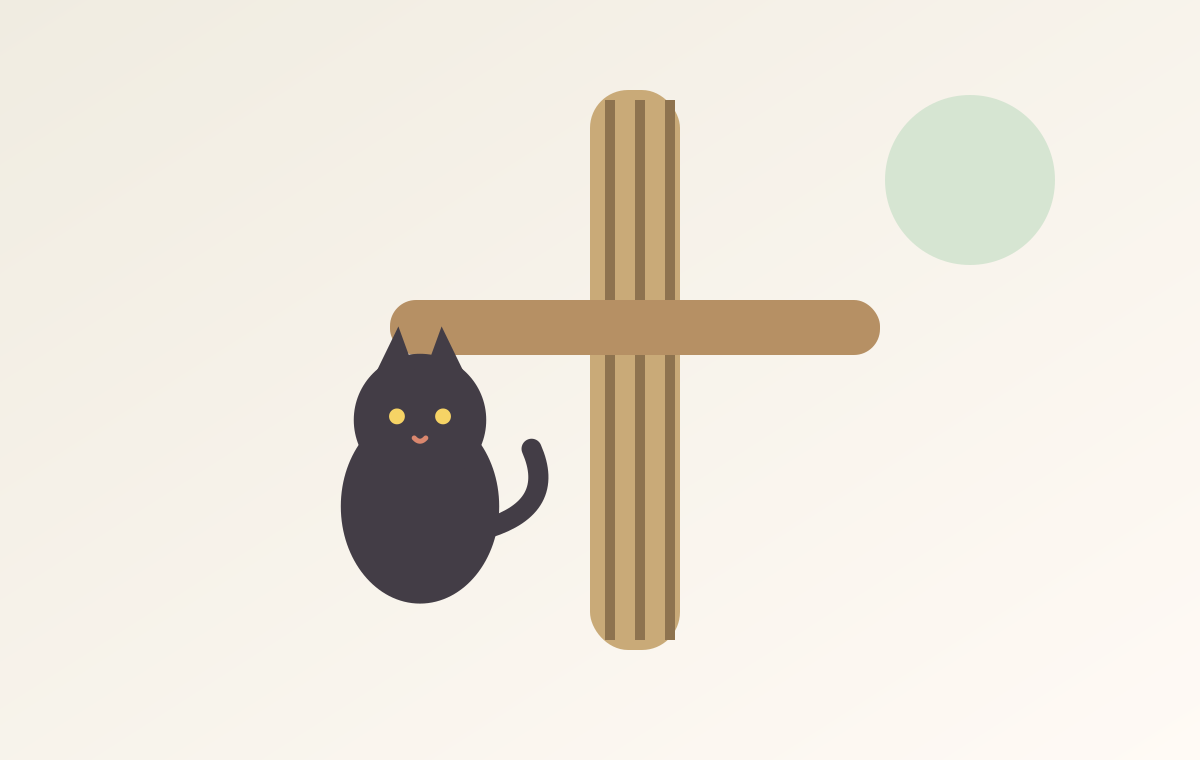
Scratching is communication and maintenance
Cats scratch to stretch, maintain claws, leave scent and visual marks, and interact with important locations. A new rescue cat may scratch near sleeping areas, doorways, or social spaces because those places matter. Punishment does not remove the underlying need and can make the new environment feel less predictable.
Offer more than one texture and angle
Some cats prefer tall vertical posts, others use horizontal cardboard, sisal, carpet, or wood. The surface should be stable enough that it does not wobble during a full stretch. Place options near areas the cat already chooses rather than hiding every scratcher in a spare room.
Use height to reduce conflict
Vertical shelves, sturdy cat trees, window perches, and furniture routes create choices. In a multi-cat home, height can allow one cat to pass or rest without entering another cat’s preferred floor space. Avoid single narrow towers that become easy to guard. Good vertical design includes more than one route up and down.
Redirect furniture scratching strategically
Place an appealing scratcher directly beside the targeted furniture and reward use. Temporary furniture protection can make the alternative more attractive while the habit shifts. Once the cat reliably uses the scratcher, move it only gradually if you need it in a different location.
Watch mobility and confidence
A cat that stops climbing or scratching may be experiencing pain, weakness, fear, or another change rather than simply losing interest. Senior cats and cats with mobility limitations may benefit from lower platforms, ramps, and horizontal scratchers. Sudden behavior changes deserve attention, especially when they occur with appetite or activity changes.
This article is educational, not a diagnosis. Sudden appetite loss, breathing difficulty, repeated vomiting, trouble urinating, severe lethargy, pain, collapse, or other urgent changes need professional veterinary advice.