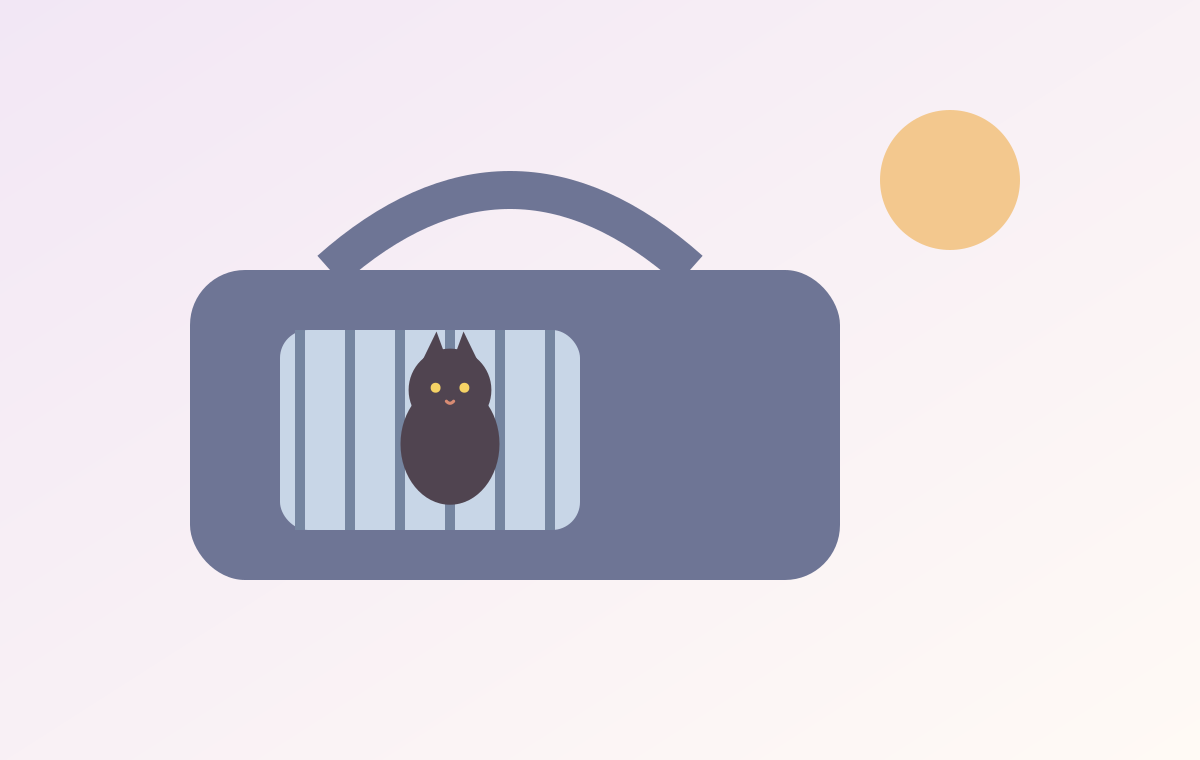
Stop storing the carrier as a surprise
If the carrier appears only before a stressful trip, the cat can learn that its arrival predicts capture. Leave the carrier open in a quiet room with familiar bedding inside. Remove or secure a swinging door at first if it makes noise. The goal is for the carrier to become furniture before it becomes transportation.
Reward curiosity without shutting the door
Place treats near the carrier, then at the entrance, and later farther inside. Some cats investigate immediately; others need days. Do not move the cat into the carrier to show that it is safe. Voluntary entry gives you useful information about comfort and creates a behavior you can reinforce.
Add the door in tiny steps
Once the cat enters comfortably, touch the door, move it an inch, close it briefly, and reopen it. Separate these steps across sessions if needed. Then practice lifting the carrier a small distance, setting it down, and opening it again. Short successful repetitions are more valuable than one long session that ends with panic.
Make the trip predictable
Before an appointment, prepare paperwork, keys, and supplies before loading the cat. Covering part of the carrier with a light towel may reduce visual stimulation for some cats, while others prefer to see out. Secure the carrier in the vehicle so it does not slide. Drive smoothly and avoid opening it in an unsecured place.
Ask for help before a crisis visit
Cats with intense fear, previous traumatic handling, or medical conditions may need an individualized transport plan. Discuss this with a veterinarian before the next urgent visit if possible. Carrier training is useful, but it does not replace professional guidance when anxiety or health problems are severe.
This article is educational, not a diagnosis. Sudden appetite loss, breathing difficulty, repeated vomiting, trouble urinating, severe lethargy, pain, collapse, or other urgent changes need professional veterinary advice.