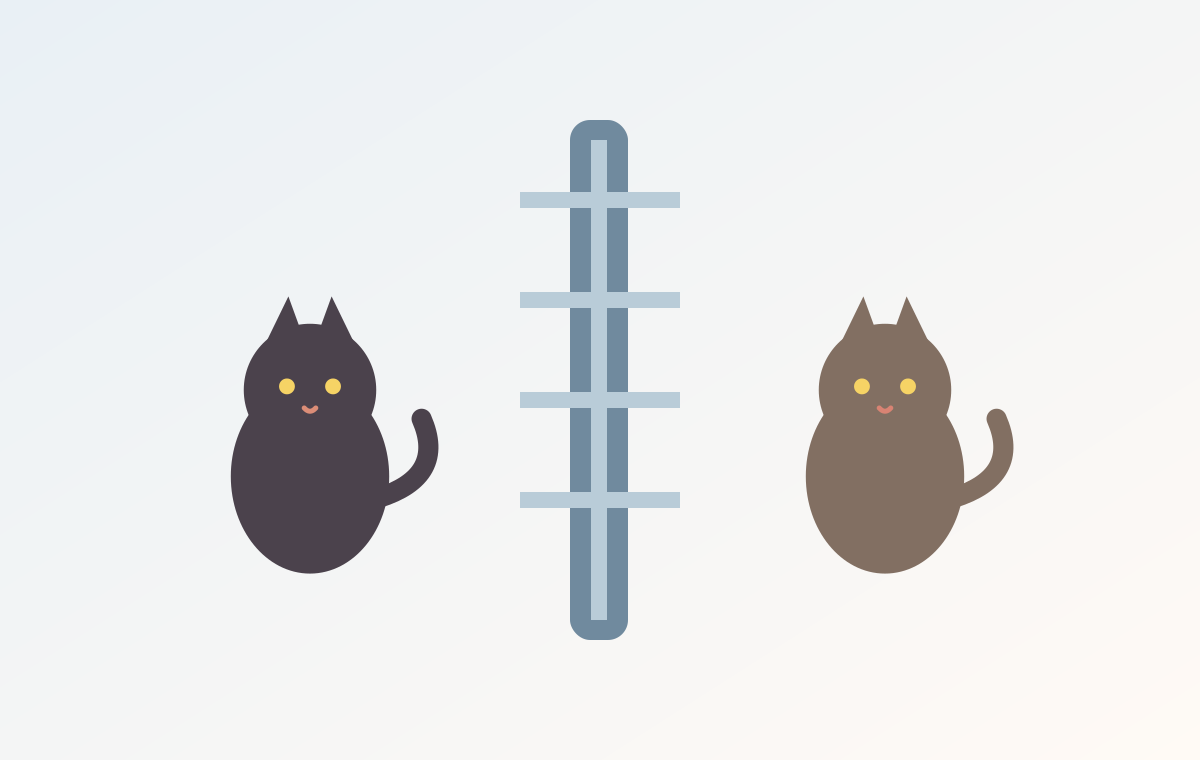
Begin with separate territories
The new cat needs a secure area with food, water, litter, resting spots, hiding places, and vertical space. The resident cat should keep access to familiar resources. Separation is not a sign that the introduction is failing; it prevents the animals from rehearsing chasing, cornering, or prolonged staring before you understand their reactions.
Trade scent before space
Swap bedding, rub each cat gently with a separate cloth and place the cloth in the other area, or rotate which cat explores a shared hallway while the other is secured. Pair new scent with ordinary positive events such as meals or play. If either cat stops eating or becomes highly agitated, increase distance.
Use visual access carefully
A gate, screen, or cracked door can allow controlled viewing once both cats are comfortable with scent. Keep sessions short and provide enough space to leave the viewing area. A calm glance followed by disengagement is often better than intense staring. Reward relaxed behavior rather than trying to make the cats approach one another.
Duplicate important resources
Competition can appear even when cats do not fight. Provide multiple litter boxes, water stations, resting areas, scratching surfaces, and routes through the home. Avoid placing every resource in one room or where one cat can block access. Good resource distribution reduces the number of conflicts the cats need to solve socially.
Measure success realistically
The goal is safe coexistence, not necessarily cuddling. Some pairs become close companions; others prefer parallel lives with respectful distance. Slow down if you see stalking, blocking, repeated chasing, hiding that worsens, or changes in appetite and litter habits. A veterinarian or qualified behavior professional can help when tension remains high.
This article is educational, not a diagnosis. Sudden appetite loss, breathing difficulty, repeated vomiting, trouble urinating, severe lethargy, pain, collapse, or other urgent changes need professional veterinary advice.